Inside a Japanese Orthopedic Clinic: Life in the Rehabilitation Room
The patients kept coming.
On my first day working at a Japanese orthopedic clinic, I was trying to remember how to operate the treatment machines, call patients in the right order, and guide them to the correct areas. When a doctor ordered exercises or functional training, I also had to concentrate on what the patient needed while keeping up with everything else.
I had recently qualified as an anma massage shiatsu practitioner, a nationally licensed healthcare professional in Japan. I had trained to provide treatment, but managing a busy rehabilitation room was something else entirely.
Between 2008 and 2012, I spent a little over three years working at two orthopedic clinics. One had three rehabilitation staff members; the other had fourteen. The smaller team was actually the more demanding one.
I remember the equipment, the treatment beds, and the constant movement between patients. But the people are what have stayed with me.
This article draws on my experiences at two clinics between 2008 and 2012, as well as more recent visits as a patient. Procedures and staffing vary between facilities, and some practices have changed since then.
A Typical Day at a Japanese Orthopedic Clinic
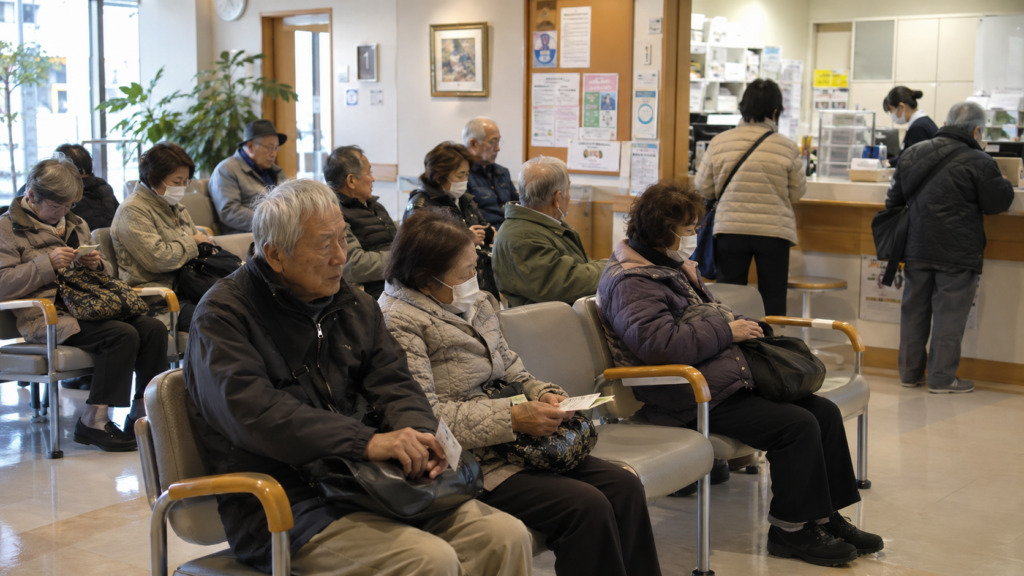
The waiting room had a different feel depending on the time of day.
Mornings were often busy with older adults, and another wave tended to arrive when the clinic reopened for its afternoon session. Later in the day, students and people coming after work became more common.
Some patients had recent injuries. Others were dealing with ongoing problems involving their shoulders, knees, backs, or other parts of the body. Many returned for rehabilitation regularly.
The staff had to keep track of who was waiting, which treatments had been ordered, and where each patient needed to go next. Between treatments, there were records to complete and equipment to prepare.
Both clinics where I worked had two doctors, but their rehabilitation teams were very different.
At the first clinic, there were just three rehabilitation staff members. I personally provided hands-on treatment, including massage, to around 25 patients a day.
The second clinic had fourteen rehabilitation staff members. There, I treated roughly 30 to 35 patients a day.
Despite treating more people by hand at the second clinic, I found the first more demanding. There were fewer staff members relative to the overall patient load, and my work went beyond massage: operating equipment, guiding patients, and helping with prescribed exercises all had to fit into the day.
The approach to treatment and the relationships with patients were not dramatically different. The biggest difference was the pace.
What Happens When You Visit an Orthopedic Clinic in Japan?
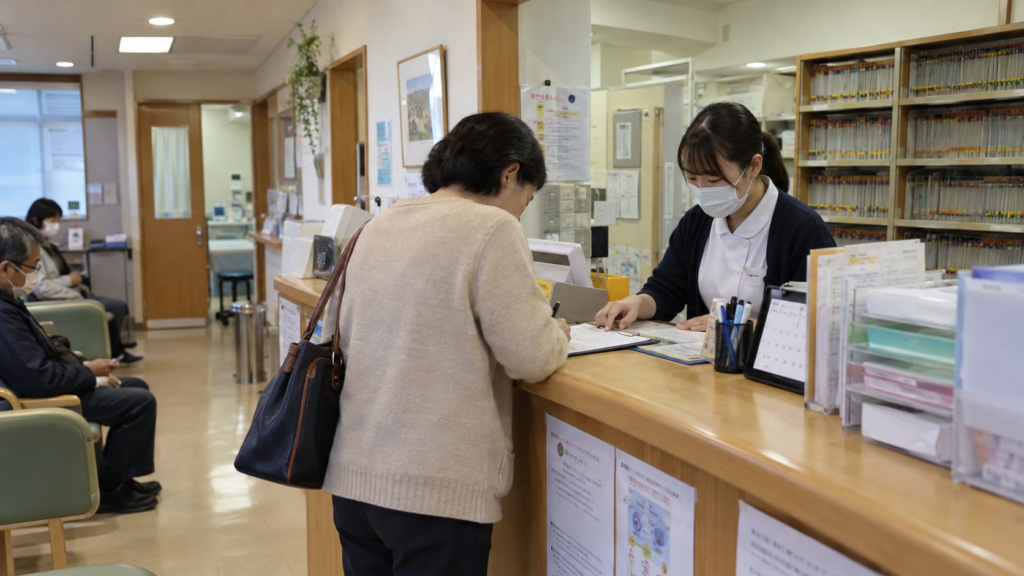
At the clinics where I worked, a first visit began at reception. New patients filled out a medical questionnaire before seeing the doctor, who examined their symptoms and decided what care was appropriate.
If rehabilitation was ordered, the patient came to our department. We asked additional questions about their condition and prepared for the treatment or exercises prescribed. After finishing, the patient returned to reception to pay.
Returning for Rehabilitation
For regular patients, the process could be shorter. Some returned for rehabilitation without a separate doctor’s consultation on every visit, as treatment continued under the clinic’s arrangements. If their symptoms changed or they had new concerns, they could consult the doctor again.
Appointments worked differently at the two clinics. At one, patients could book their next rehabilitation session after treatment or by telephone. At the other, patients were generally called in the order they registered.
Patients also carried a shinsatsuken (診察券), a clinic registration card. At some facilities, they changed from outdoor shoes into indoor footwear. These small routines became second nature to regular visitors.
For international visitors, one practical distinction matters: people eligible for Japan’s public health insurance and short-term tourists may face very different medical costs. Travelers should check their insurance coverage and a clinic’s payment arrangements before seeking non-emergency care.
A Quick Guide for Travelers: Visiting an Orthopedic Clinic
This is a general outline for non-emergency visits, not a description of every clinic’s procedures.
- Find a suitable clinic. Look for seikei geka (整形外科) and contact the clinic beforehand. Confirm whether it accepts short-term visitors, offers help in your language, and requires an appointment. [要確認: Policies and language support vary by clinic.]
- Check in at reception. Explain your symptoms and complete a medical questionnaire. Ask what identification and insurance documents to bring. [要確認: Required documents vary by clinic and insurance status.]
- See the doctor. The doctor assesses your condition and determines whether tests, treatment, or rehabilitation are appropriate. [要確認: Same-day rehabilitation and any follow-up booking depend on the clinic.]
- Pay and check your insurance. Ask about estimated fees and accepted payment methods before treatment. Visitors without applicable Japanese public insurance may need to pay the full charges; travel-insurance reimbursement or direct billing depends on the policy and provider. [要確認: Payment methods, fees, and insurance arrangements vary.]
- Visit a pharmacy if needed. If you receive an outside prescription, take it to a pharmacy and pay for any medicines separately.
For help finding care, see the Japan National Tourism Organization’s medical information guide. For emergencies, seek urgent medical assistance rather than following this routine outpatient process.
Inside the Rehabilitation Room: Machines, Massage, and Movement
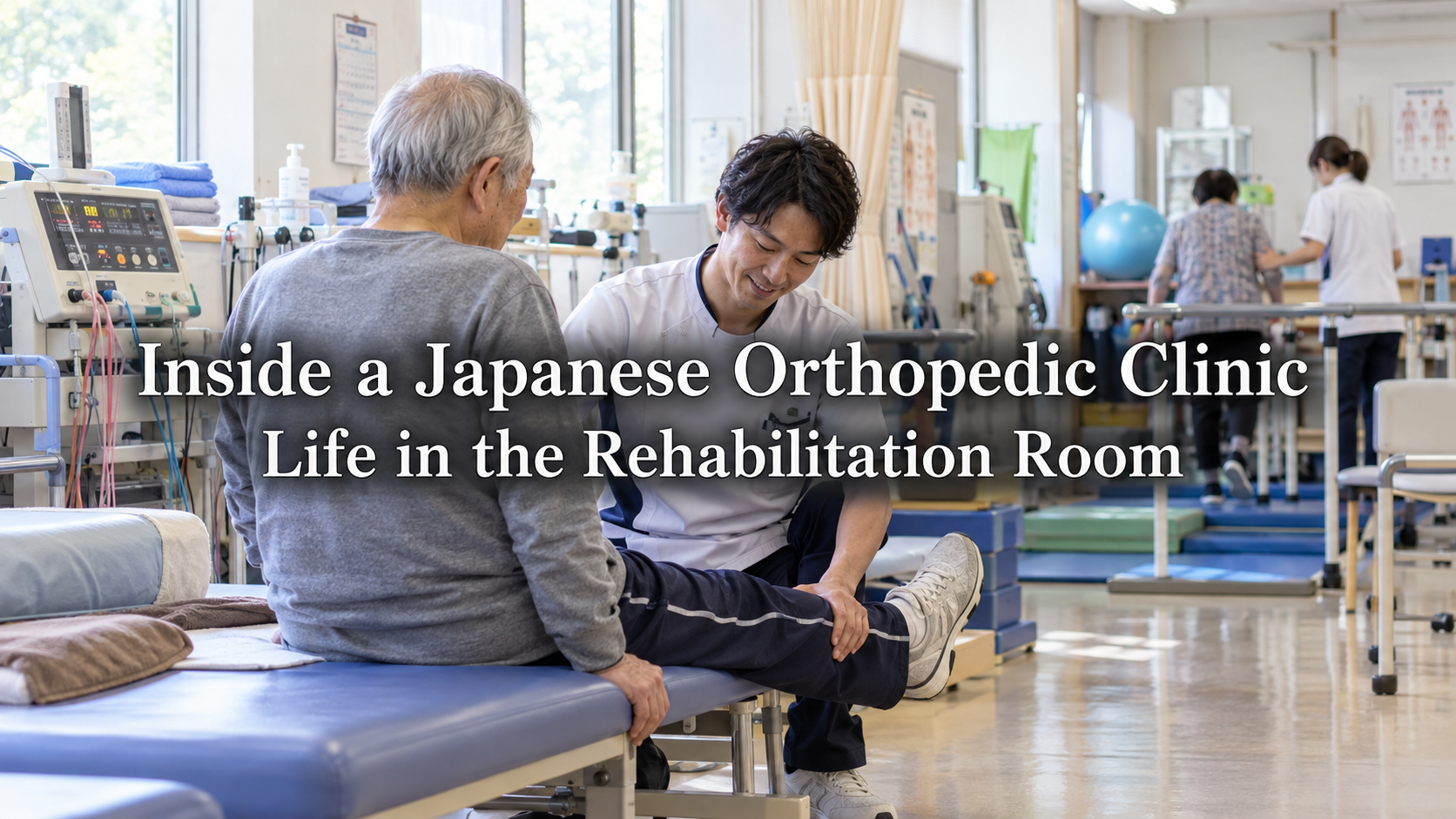
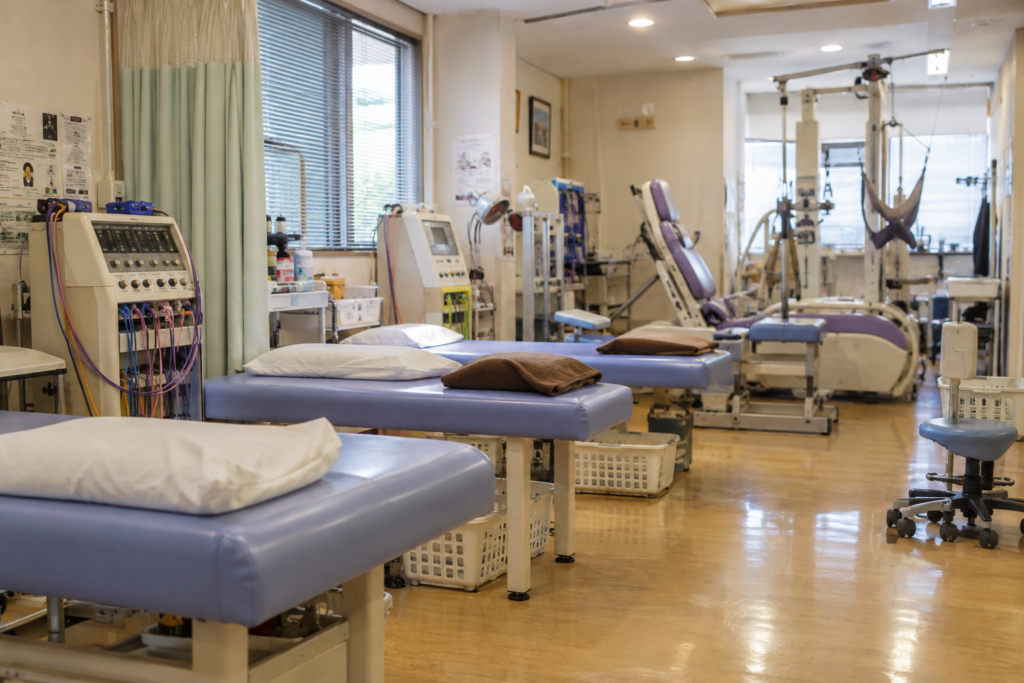
The rehabilitation rooms where I worked contained treatment beds and a variety of machines: hot packs, electrical stimulation devices, traction equipment, light therapy machines, and water-based or vibration equipment.
A patient might begin with a machine-based treatment before moving to another area for hands-on care or exercises. For staff, each treatment involved more than pressing a button. We had to guide patients, prepare equipment, follow instructions, and keep track of when each session was finished.
What I Actually Did
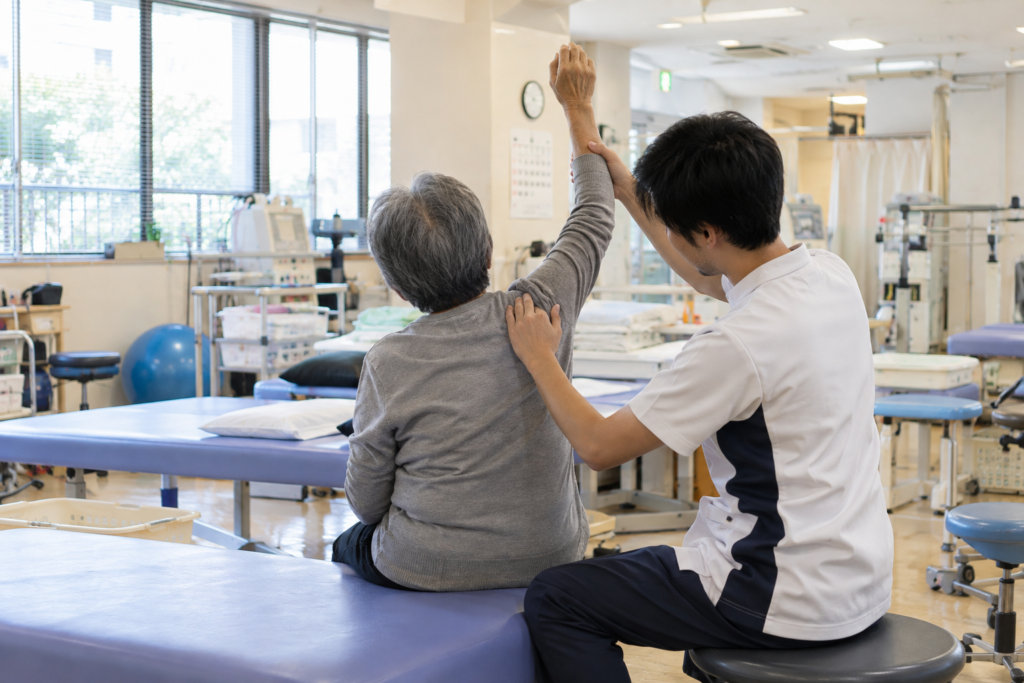
As a licensed anma massage shiatsu practitioner, I provided hands-on treatment such as massage. Under the doctors’ instructions and the clinics’ arrangements, I also helped patients with exercises and functional training.
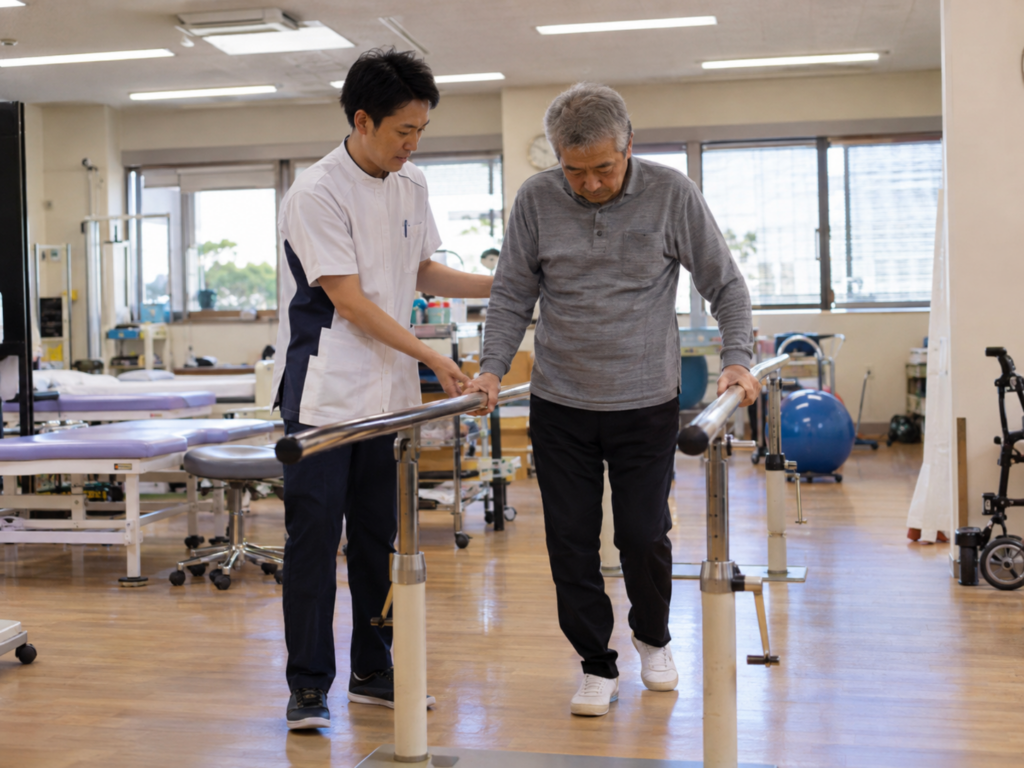
That included strengthening exercises, range-of-motion training, and exercises for problems such as frozen shoulder and lower back pain. I needed to understand what had been ordered, explain the movements, and pay attention to how patients managed them.
That combination of responsibilities was part of what made my first day so difficult. It wasn’t enough to learn where the machines were. I had to remember the patients, their treatments, and the instructions that went with them.
The equipment reflected the rehabilitation practices used at those clinics at the time. Treatments such as traction and electrical stimulation are not equally useful for every condition; their clinical value depends on the diagnosis and available evidence.
How Long Did a Session Take?
Many patients spent around thirty minutes to an hour in the rehabilitation department. Some received only machine-based treatments. Others also had hands-on care or exercises. From what I remember, the two groups were roughly equal.
Patients moved between treatment areas while staff prepared beds and equipment for the next person. We also had to document treatments and complete rehabilitation-related paperwork. The room could be busy even when everyone appeared to be sitting or lying quietly.
The Patients I Still Remember
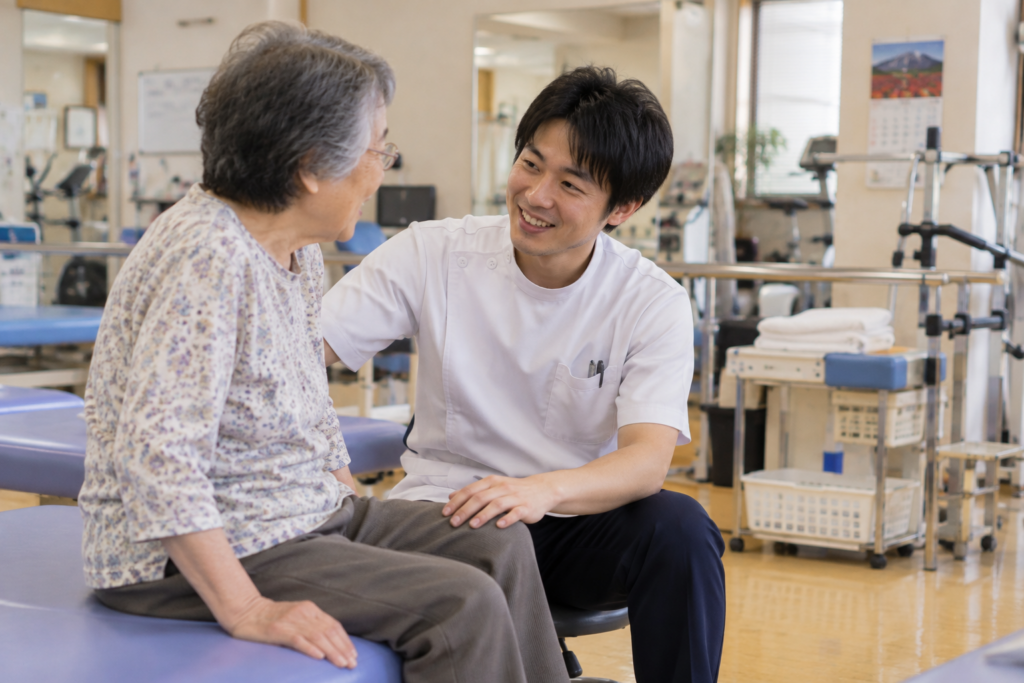
Many older patients came back regularly. Over time, we recognized their faces and became familiar with their routines.
At the end of treatment, we said odaiji ni (お大事に), an expression that means something like “Take care” or “I hope you feel better.” It was part of every working day.
Some patients occasionally brought snacks or small gifts for the staff. We also exchanged brief conversations about how they were feeling. Those everyday interactions are among my strongest memories of working in rehabilitation.
“Will I See the Cherry Blossoms Next Year?”
One older patient had undergone several operations over the years.
During autumn and winter, the patient sometimes said, “I wonder if I’ll get to see the cherry blossoms next year.”
I still remember that question.
Cherry blossoms are one of the familiar signs of spring in Japan. Their arrival is something many people look forward to each year. Hearing that question from someone who had undergone repeated surgeries made me think about what lay beyond the treatment room.
I was there to help with physical treatment. But the person in front of me was thinking about something no rehabilitation machine could answer.
When We Didn’t Speak the Same Language
I also remember a patient who had come from overseas.
My English was limited, and the patient’s Japanese was limited too. We each spoke mostly in our own language and somehow managed to communicate well enough to carry out the treatment.
It took effort on both sides, but we got through it. That experience reminded me how much communication matters, even during treatment that might appear to involve little conversation.
What Has Changed Since I Worked There?
My experience as a rehabilitation staff member dates from 2008 to 2012. More recently, I’ve visited orthopedic clinics as a patient.
One difference I’ve noticed is the professional background of the staff. I worked as an anma massage shiatsu practitioner, a Japanese national qualification distinct from those held by physical therapists and occupational therapists.
In the clinics I’ve visited more recently, I have mainly encountered physical therapists and other rehabilitation professionals. I haven’t personally seen many people with my qualification working in those rooms. Staffing and professional responsibilities differ between facilities, so my observations aren’t a nationwide trend.
What I notice most now is how much work happens around a patient during a rehabilitation session. Having been on the treatment side, I know that staff may be thinking about several other tasks even while concentrating on the person in front of them.
What Working in Rehabilitation Taught Me
When I began working in an orthopedic clinic, I was focused on keeping up with the workload.
Over time, I learned that rehabilitation was not limited to what happened during a treatment session. For many conditions, appropriate movement, exercises, and daily activities can be important parts of recovery. Patients have a role in that process, with guidance suited to their condition.
I also came to understand that the people visiting rehabilitation were dealing with more than pain or restricted movement. Some wanted to return to work or school. Others were trying to maintain their independence.
And I still remember the older patient who wondered whether they would see the cherry blossoms the following spring.
That question has stayed with me because it captured something I couldn’t have learned from a treatment manual: behind every appointment was a person with a life beyond the clinic, and something they were hoping to do when they left it.
This article reflects my personal experiences working in Japanese orthopedic clinics and later receiving care as a patient; it is not medical advice. Details that could identify individual patients have been omitted or generalized.